Wood Stoves, Fireplaces, and Home Insurance: What North Idaho Homeowners Should Know
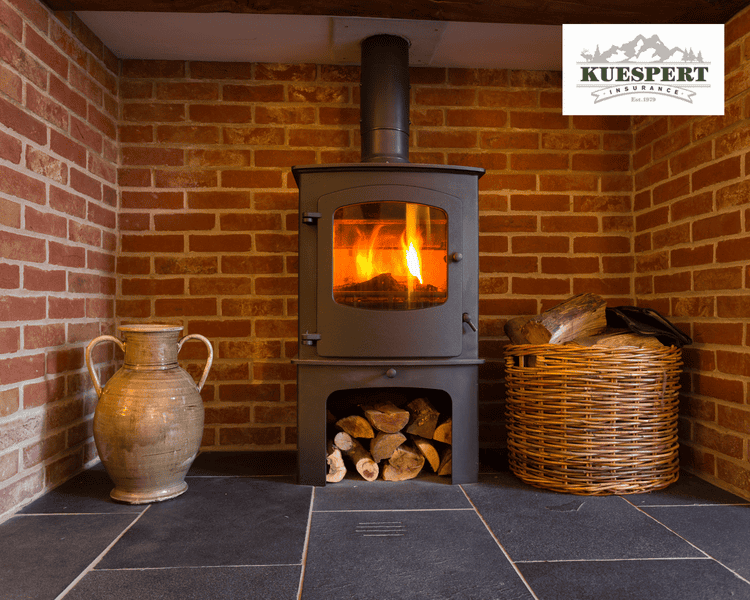
There is nothing quite like a wood stove or fireplace on a cold North Idaho evening. For many local homeowners, wood heat is not just about atmosphere — it may be an important secondary or even primary source of heat.
But if you have a wood stove or fireplace, your insurance company should know about it.
Why Does Your Insurance Company Care?
Wood-burning appliances create an additional fire exposure inside the home. Insurance companies may want information about the type of stove or fireplace, how it was installed, whether it is professionally installed, and how frequently it is used.
Requirements vary between insurance companies, which is one reason working with an independent insurance agency can be helpful.
If you add a wood stove after purchasing your homeowners policy, contact your agent rather than assuming your existing policy automatically accounts for the change.
Chimney Maintenance Matters
Creosote and other debris can build up inside chimneys and stovepipes over time. Having your chimney inspected and cleaned as appropriate is an important part of maintaining a wood-burning system.
It is also a good idea to visually inspect the stove, chimney, hearth, and surrounding area before the heating season begins.
Be Careful With Ashes
Hot ashes can remain warm much longer than people realize.
Ashes should be placed in an appropriate metal container with a secure lid and kept away from combustible materials. Avoid putting hot ashes into cardboard boxes, plastic containers, garbage cans, or next to a woodpile.
Check Your Smoke and Carbon Monoxide Detectors
Fall is a great time to test smoke detectors and carbon monoxide detectors throughout the home and replace batteries when needed.
Fire extinguishers should also be accessible and everyone in the household should know where they are located.
What About Firewood?
Keep firewood and other combustible materials a safe distance from your home's heating equipment. Outdoor firewood piles should also be positioned thoughtfully rather than stacked directly against the house.
Tell Your Insurance Agent About Changes
If you recently purchased a home with a wood stove, installed a new stove, switched heating systems, or made other major changes to your property, let your insurance agent know.
Insurance works best when the information on your policy accurately reflects the property being insured.
Bottom line: wood stoves and fireplaces are a great part of North Idaho living, but they come with added responsibility. Proper installation, regular maintenance, safe operation, and keeping your insurance agent informed can help you enjoy that warm fire with greater peace of mind.